Wes Bredenhof wrote on his blog: "As of May 1, the Reformed Churches in the Netherlands (Liberated) no longer exist. In the Netherlands they were known as the Gereformeerde Kerken – Vrijgemaakt (GKV). As of May 1, the GKV merged with the Nederlands Gereformeerde Kerken to form a new federation of churches. The new federation is called the Nederlandse (note the extra ‘e’) Gereformeerde Kerken (Dutch Reformed Churches)."
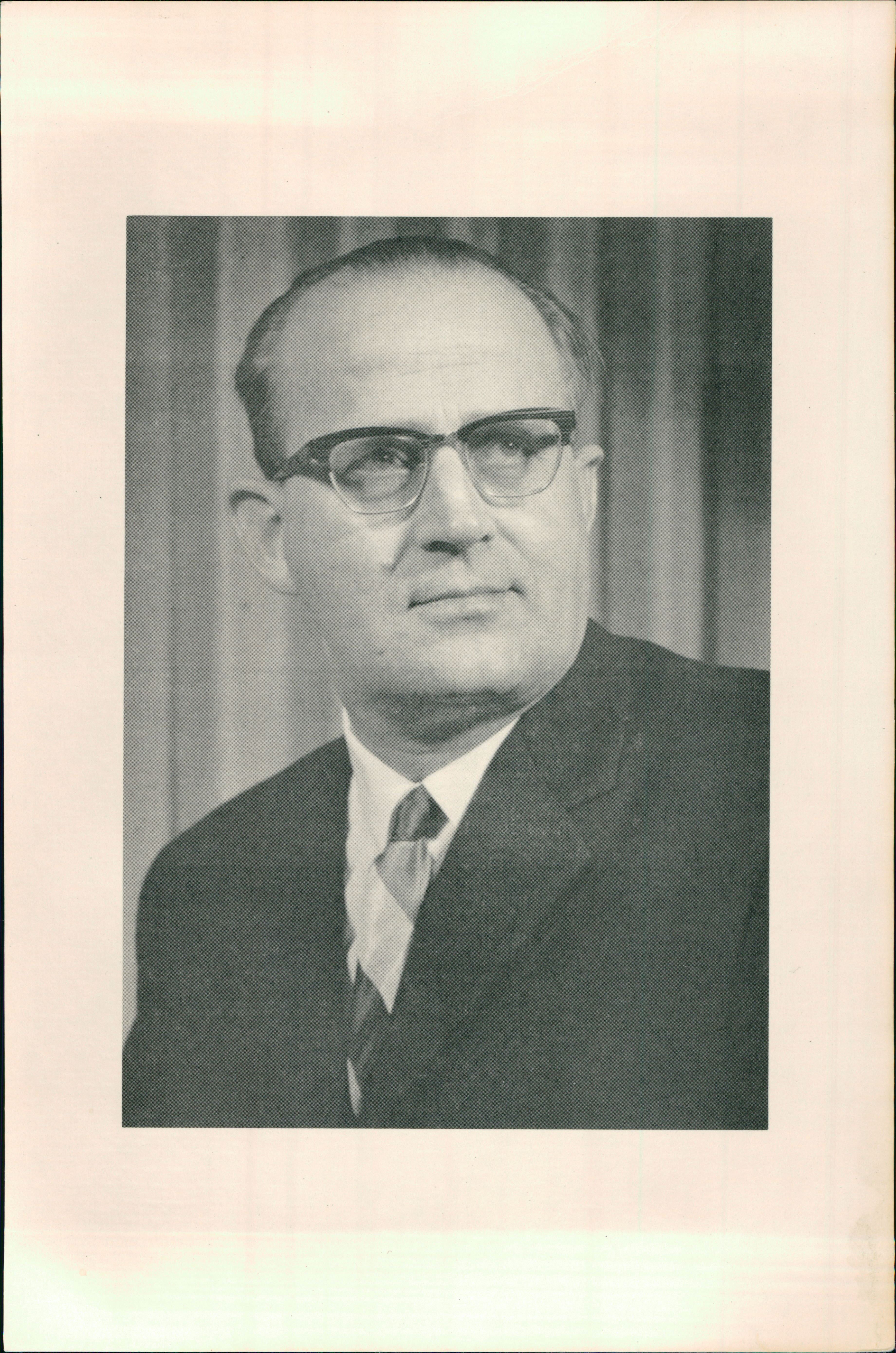
What follows is an excerpt (pp 109-111) from the biography I wrote on my father, Jules Taco van Popta (1916-1968). I am including this in my blog because of how the GKv and the NGK, on May 1st, 2023, merged into one federation of churches. The NGK are the children of the Open Brief. My father, like many fathers of the ecclesiastical liberation of 1944, would be very sad.
The Open Brief
As the difficulties in connection with the Form of Subscription [the C. de Haan affair] played out in Canada, a news item from the sister churches in the Netherlands reported on similar tendencies emerging there. An Open Brief had been published in which its twenty-five signatories expressed the desire for greater latitude in doctrinal matters than they felt that the Form of Subscription afforded them. The twenty-five brothers of the Open Brief also denied that the ecclesiastical liberation of 1944 was a work of Christ; rather, said they, it was merely a human work motivated by an ideology. The twenty-five brothers declared that those who held that it was a work done in harmony with Article 28 of the Belgic Confession were subscribing to a false faith.
Jules published a six-part critique of the Open Brief in Canadian Reformed Magazine (CRM).*
Jules recalled the issues of the Liberation of ‘44 under seven points.
1. In 1942 the general synod adopted the doctrine
of presumptive regeneration.
2. The synod imposed that doctrine upon the churches and proscribed any teaching
or preaching that was not in accord with the doctrinal deliverances.
3. The synod forbade the teaching that the Holy
Spirit works regeneration through the preached word, even though this is what
Scripture plainly teaches and the confessions profess.
4. By this strict binding to these doctrinal
statements the synod put a yoke on the churches, which was not the easy yoke of
Christ (Gal. 4, 5; Col. 2).
5. In a letter dated Feb. 25, 1944, the synod
informed the churches that all had to carry out the decisions of synod. A
church did have the right to appeal, but in the meantime the church was
required to put the decision into effect. Such a church polity is in conflict
with itself, that is, with Article 31 of the Church Order.
6. This rule was strictly upheld. Office-bearers
who did not put into effect the decision of the synod were deposed from their
offices. Those who continued to teach that the Holy Spirit regenerates us by
the preaching of the gospel, rather than that the baptized infants were presumed
already to be regenerate, were deposed. Those who refused to carry out the
declarations of the synod were accused of raising “discord, sects, and mutiny”
in the church, and were treated accordingly.
7. The synod claimed to be the highest authority
in the church with respect to doctrine.
The signatories of the Open Brief rejected the very thinking of which they themselves had once been convinced and wrote it off as a human ideology. Jules explained that the Liberation of 1944 was a plea for the proclamation of the preaching of the Word of God unencumbered by theological opinions. He reminded the reader of how the Dutch synod had usurped the place of Christ by arrogating unto itself power and authority that belong only to the Word of God.
Jules pointed out that some of the signatories took steps that were consistent with their position and left the GKN-Liberated to join the synodocratic GKN. It was not given to Jules to complete the series of articles, but his point is clear. These men did not remain in the freedom into which Christ had set them free. Rather, they exchanged the easy yoke of Christ for the heavy burden of theological opinions and systems.
(Further note: The "Open Brief people left the GKv and eventually formed a new federation, the NGK).
-------------

